





Knowing what to look for before buying a new smartphone can help you avoid paying for features you do not need while making sure the phone you choose will work well for years. Buying a smartphone is no longer simply about choosing the model with the biggest specifications. Different users have different priorities, and a phone that is excellent for gaming may not be the best choice for photography, business or everyday use.
This smartphone buying guide explains the factors that matter most, including performance, camera quality, battery life, display, storage, connectivity, software support and long-term value.
Before buying a new smartphone, consider these important factors.
Performance
The processor affects how quickly applications open, how smoothly games run and how well the phone handles demanding tasks.
For everyday users, a modern mid-range processor may already provide more than enough performance. Power users, gamers and people who edit video may benefit from a more powerful chipset.
Camera Quality
A higher megapixel number does not automatically mean a better camera.
Look at image processing, low-light performance, stabilization, video recording and the quality of the secondary cameras.
Reviews that include real-world photographs and video samples can be more useful than specifications alone.
Battery Life
Battery capacity is important, but software optimization and processor efficiency also affect how long a phone lasts.
A phone with a slightly smaller battery can sometimes provide excellent battery life if its hardware and software are well optimized.
Display
Consider screen size, resolution, brightness, refresh rate and display technology.
People who frequently watch videos or play games may appreciate a high-refresh-rate display, while users who spend most of their time reading may prioritize brightness and comfortable viewing.
Software Support
Software updates are increasingly important when buying a smartphone.
A phone may have excellent hardware today, but long-term software support can determine how useful it remains several years later.
Price and Overall Value
Instead of asking whether a phone is expensive or cheap, ask whether its features justify the price.
A good smartphone should provide a balanced combination of performance, camera quality, battery life, software support and build quality.
The best choice is ultimately the phone that matches your actual needs rather than simply having the longest specification list.
What to Look for Before Buying a New Smartphone: Extra Factors
Storage and Memory
Storage needs depend on how you use your phone. Photos, 4K video, large games and downloaded media can fill a device quickly. For many buyers, 128GB is a practical starting point, while frequent photographers, gamers and creators may prefer 256GB or more. Also check whether the phone supports expandable storage if that feature matters to you.
RAM also affects multitasking. More memory can help keep apps available in the background, but software optimization matters too. Compare real-world performance instead of choosing a phone based on one number alone.
5G, Wi-Fi and Connectivity
For U.S. smartphone buyers, confirm that an unlocked phone supports the network bands used by your carrier. Check 5G compatibility, Wi-Fi generation, Bluetooth support, NFC for contactless payments and eSIM or physical SIM options. A phone can look attractive on paper but still be a poor choice if it lacks the connectivity you regularly use.
Build Quality and Durability
Consider how the phone feels in your hand as well as how it looks. Water and dust resistance, screen protection, frame materials and repairability can affect long-term ownership. If you plan to keep a phone for several years, durability may be more valuable than a small improvement in benchmark performance.
Security and Software Updates
Before buying, check the manufacturer’s stated operating-system and security-update policy. Longer support can improve security and extend the useful life of the device. Biometric options such as fingerprint recognition and face unlock should also be convenient and reliable for your daily routine.
Repair Costs and Warranty
The purchase price is only part of the cost of owning a smartphone. Screen repairs, battery replacement, cases, chargers and extended protection can add to the total. Check the standard warranty and whether authorized repair service is readily available where you live.
Smartphone Buying Checklist
Before placing an order, make a short checklist based on your real priorities. Decide your maximum budget, preferred screen size, minimum storage, camera needs, expected battery life and how many years of software support you want. Then compare two or three phones that meet those requirements rather than comparing every model on the market.
For example, a frequent traveler may prioritize battery life, eSIM support and camera quality. A mobile gamer may care more about sustained processor performance, cooling, display refresh rate and charging speed. A business user may put security, reliability and long software support first.
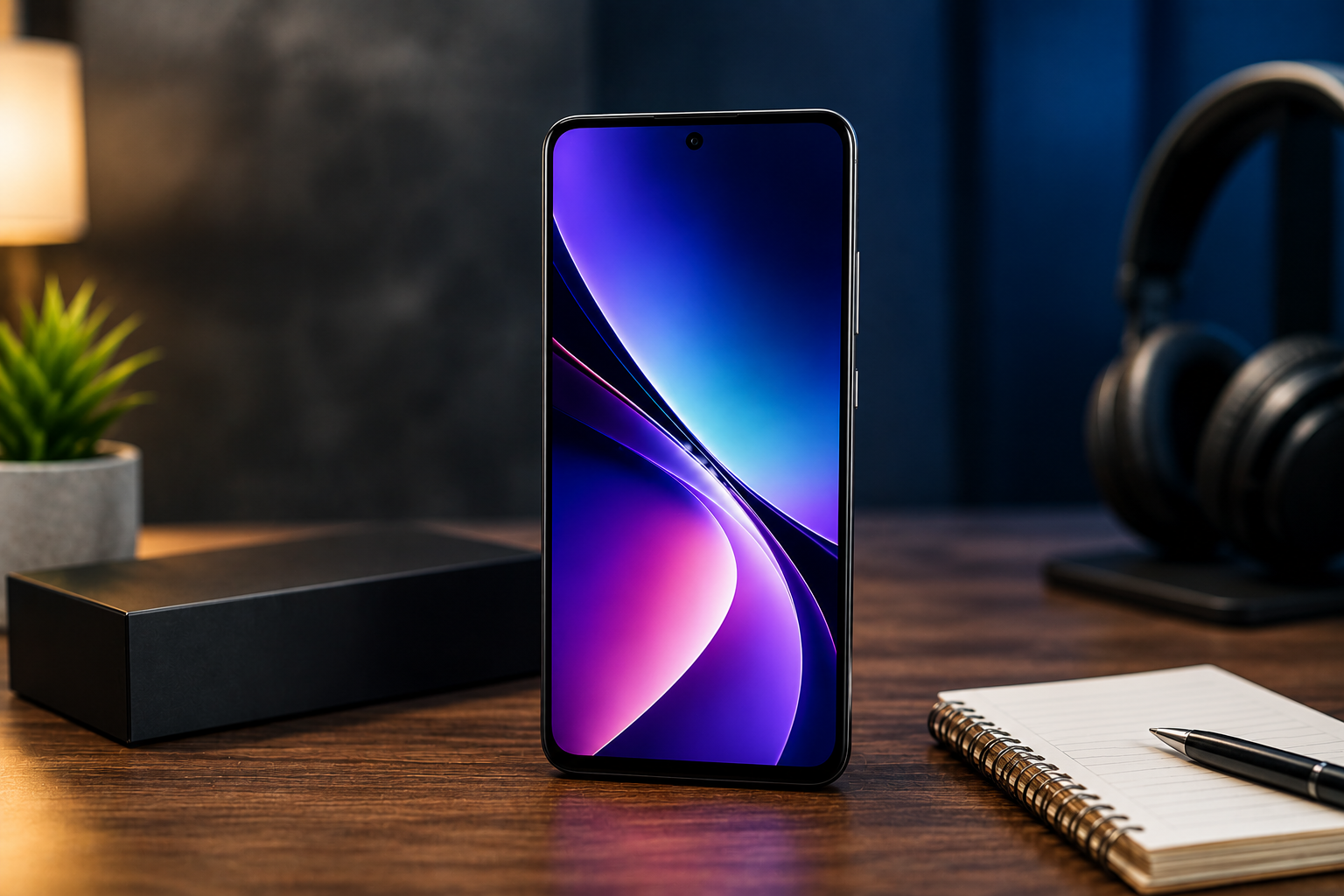
Should You Buy a Flagship or Mid-Range Phone?
Flagship phones usually offer the newest processors, advanced cameras, premium materials and additional features, but many mid-range smartphones now provide strong everyday performance at a lower price. If your main activities are messaging, browsing, streaming, navigation and casual photography, a well-reviewed mid-range phone may offer better value.
Pay extra for a flagship when the premium features solve a real need for you. The best smartphone is not automatically the most expensive model; it is the device that delivers the right combination of features, support and reliability within your budget.
Frequently Asked Questions
What is the most important thing to check before buying a smartphone?
Start with your usage and budget, then compare performance, battery life, camera quality, software support and storage. These factors usually have the biggest effect on everyday ownership.
How much storage should a new smartphone have?
For many users, 128GB provides a practical balance. Consider 256GB or more if you record a lot of high-resolution video, install large games or keep extensive offline media.
Is battery size the best way to compare battery life?
No. Battery capacity matters, but processor efficiency, display settings and software optimization also influence real-world battery life. Independent battery tests can provide a more useful comparison.
How long should a new smartphone last?
A quality smartphone can remain useful for several years when the hardware meets your needs and the manufacturer continues providing software and security updates. Battery condition and repair availability also affect how long you can comfortably keep the device.
Final Thoughts
Understanding what to look for before buying a new smartphone makes it easier to separate useful features from marketing claims. Focus on the experience you need today, the support you will receive tomorrow and the total value over the time you expect to own the phone. A balanced choice will usually serve you better than simply chasing the highest specifications.
Related Smartphone Guides
Other Articles

Productive Daily Routine: 10 Simple Habits for Better Focus
How Artificial Intelligence Is Changing Everyday Technology




[…] and app support before you pay. If you’re evaluating the rest of a device purchase, our smartphone buying guide uses the same needs-first […]
[…] purchase if it meets your needs, but a similar product name can hide a different configuration. Our smartphone buying guide explains how to compare specifications before buying. Do not mistake a bundle discount for a lower […]