





New Hampshire fall foliage 2026 is underway, but color varies sharply by region. As of the state’s September 22 report, the Great North Woods showed 25–45% color change, while the White Mountains showed 5–15%. That makes the northernmost part of the state a better choice for a late-September color-focused trip; visitors planning a White Mountains getaway may prefer to watch the next reports before committing to one location. These are observations dated September 22, not a prediction of what any place will look like on your arrival.
If you are visiting from elsewhere in the United States, Canada, the UK or Australia, use this guide to choose a region and a flexible route. Check the official Visit NH foliage report and foliage tracker shortly before departure. The state says it updates reports twice a week.
New Hampshire fall foliage 2026: latest regional conditions
The following figures come from Visit NH’s September 22, 2026 report. “Color change” describes the share of foliage changing, not a guarantee that an entire region has reached peak color.
- Great North Woods: 25–45%. The most developed color was reported in the far north, including areas around water and the Connecticut Lakes.
- Monadnock Region: 24–40%. Swamp maples showed especially strong early color, though conditions differ across the region.
- Dartmouth/Lake Sunapee: 10–20%. Isolated bright trees were reported around Claremont while most forests remained green.
- White Mountains: 5–15%. Early change was noted from Thornton toward Franconia Notch.
- Lakes Region and Seacoast: 5–10%. Both were largely green at the time of the report.
- Merrimack Valley: 5–15%. Early color appeared around Henniker and between Concord and Northwood.
Quick decision: For visible color this week, investigate the Great North Woods first. For a classic White Mountains trip, enjoy the landscapes and towns now, but do not assume peak foliage has arrived. Wherever you go, a localized report or live tracker can be more useful than a statewide average.
Where should you go in late September?
Great North Woods: the strongest reported northern change
The September 22 report points toward the Connecticut Lakes area and other northern waterways for more developed color. Treat a trip here as a chance to see an early autumn landscape rather than a promise of full peak. This is a more remote part of the state: allow generous driving time, download maps before leaving and check the weather and services along your route.
Monadnock Region: early color without heading to the far north
The report notes striking swamp-maple color, particularly in lower-lying areas. The 24–40% figure does not mean all trails, towns and roadside views look the same. Build a day around a few flexible stops and adjust according to what you actually see.
White Mountains: plan for an October window
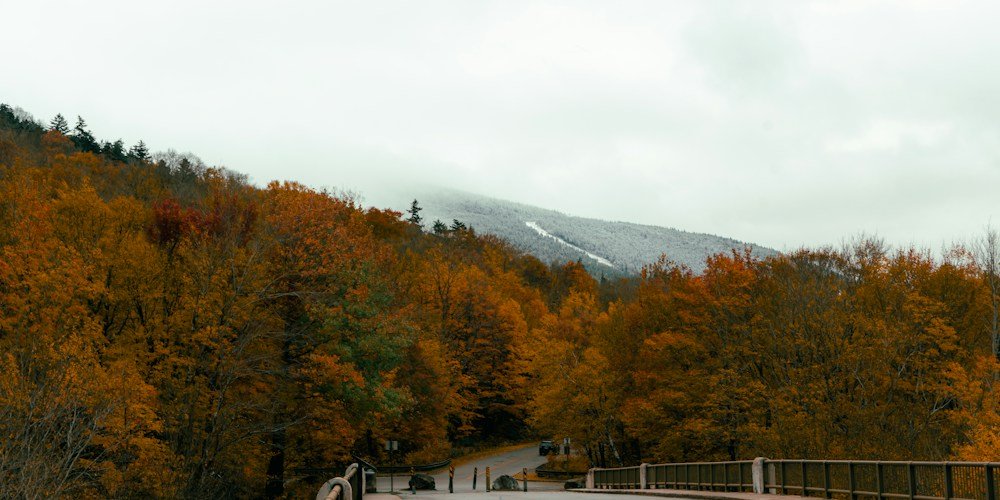
Visit NH says the White Mountains generally see their most colorful conditions during the first two weeks of October. Franconia Notch, Crawford Notch and North Conway are well-known bases, but peak timing varies with weather and elevation. As of September 22, the state’s White Mountains report described only 5–15% color change, with early color in the Thornton-to-Franconia corridor. Keep your booking flexible if leaf color is the main purpose of the trip.
When does New Hampshire foliage usually peak?
According to Visit NH’s planning guidance, the Great North Woods typically begins reaching peak in the last week of September. The White Mountains often follow in the first two weeks of October, while southern and coastal areas commonly look best in the second half of October. These are historical planning windows, not fixed dates for 2026. A spell of wind, rain or unusual temperatures can alter the appearance of a particular location.
If your vacation dates are fixed, choose the region that matches the current report rather than expecting a favorite town to be at peak. If your destination is fixed, plan hikes, local food, a train ride or a scenic viewpoint so the trip remains worthwhile even when colors are early or late.
A practical one- or two-day trip plan
For a late-September day trip: Start with the newest state report. If northern color still leads, choose a manageable Great North Woods route and add two or three legal, marked stops rather than trying to cover the entire region. Leave room for changing light and weather.
For an October weekend: Use a White Mountains base such as Lincoln or North Conway only after checking the latest report for your exact dates. Pair one scenic drive with a short walk and a local meal. The The Modern Side guide to fall road trips in the USA has more route ideas, including New Hampshire’s Kancamagus Highway.
Before a mountain drive, check road conditions, opening hours and forecast. Weekends can bring heavy traffic; use designated parking areas and never stop in a travel lane for a photograph. Conditions at an overlook can differ from conditions in a valley on the same day.
How to check foliage before you leave
- Read the latest Visit NH regional report; note its publication date.
- Open the state foliage tracker for a more recent picture.
- Compare the report with your planned town or route rather than relying on a statewide headline.
- Check local weather and road conditions the evening before travel.
- Keep a second nearby destination in mind in case rain or cloud cover changes your plans.
Frequently asked questions
Has New Hampshire fall foliage peaked in September 2026?
Not statewide. The September 22 state report showed notable early change in the Great North Woods and Monadnock Region but much less change in the White Mountains, Lakes Region and Seacoast. Check the most recent report for conditions after that date.
Is late September too early for the White Mountains?
Not for a fall trip, but it can be early for peak color. On September 22, the White Mountains were reported at 5–15% change. Visit NH says the region more often reaches its best color in the first two weeks of October.
Where can I find a current foliage map?
Use Visit NH’s official foliage tracker and weekly reports. Historical peak maps can help you plan, but current observations should guide the final decision.
Bottom line for your 2026 trip
For travel immediately after September 22, start your search in the Great North Woods if seeing early color matters most. For the White Mountains, monitor the next state reports as October approaches. This article uses the September 22 report and should be refreshed when new regional observations are released.
Sources: Visit NH regional report (September 22, 2026); Visit NH foliage tracker and typical peak timing.
Other Articles





No Comment! Be the first one.