





Artificial intelligence in everyday technology is changing how people search for information, communicate, work, shop and use their devices. AI is no longer limited to research labs or advanced computer systems; it is now built into many of the digital tools people use every day.
From smartphones to smart home products, AI is increasingly being used to make technology more useful and personalized.
AI Is Becoming Part of Smartphones
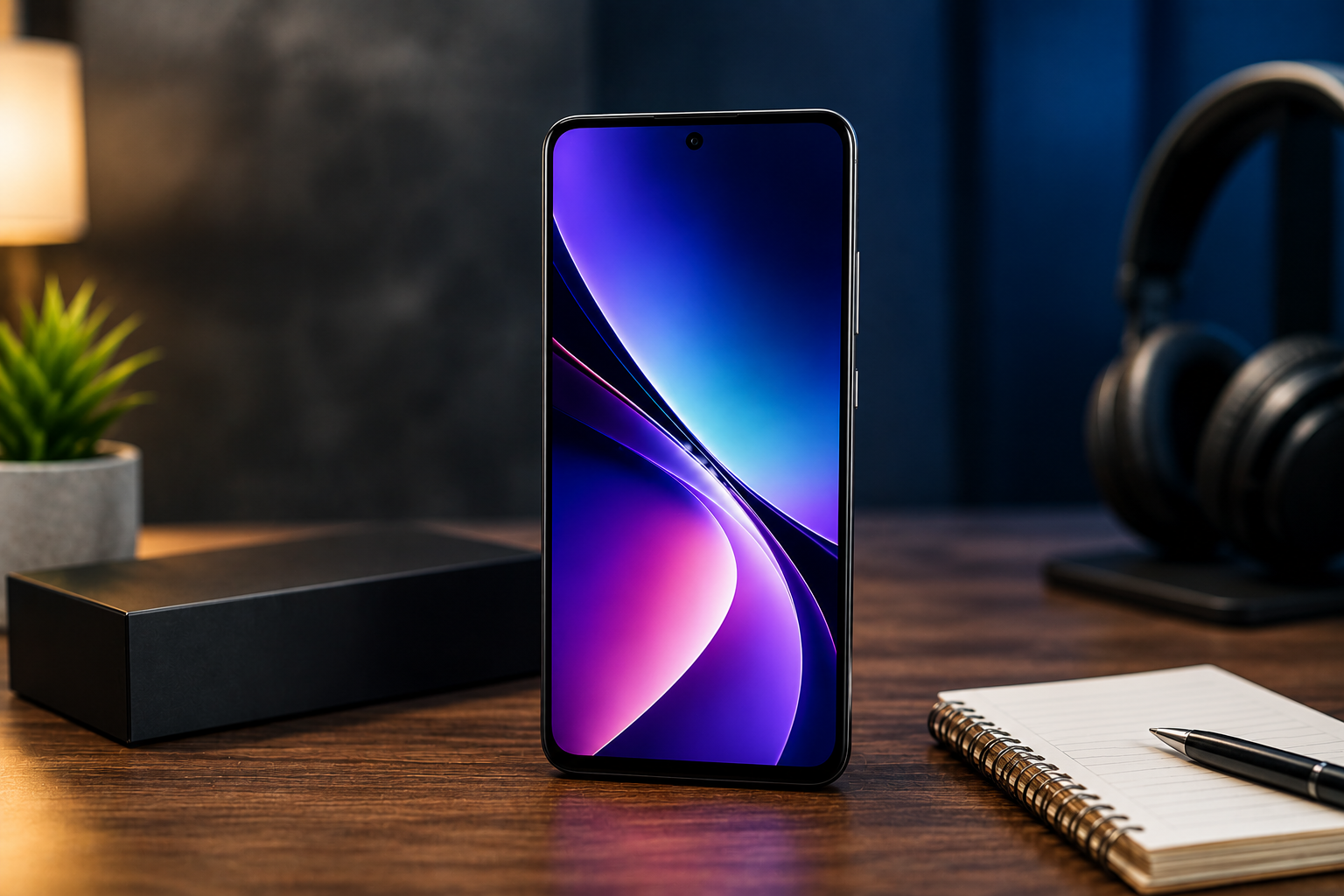
Modern smartphones are among the clearest examples of AI becoming an everyday feature. Camera applications can automatically recognize scenes, improve images and adjust settings without requiring users to understand complicated photography controls.
AI is also being used for voice transcription, translation, writing assistance, photo editing and personalized recommendations.
The important change is that users do not necessarily need to understand how AI works. Much of the technology operates in the background.
Smarter Search and Personal Assistants
Search engines and digital assistants are also becoming more conversational. Instead of entering short keywords, users can increasingly describe what they need in natural language.
This shift makes technology easier for people who may not know exactly what keywords to search for.
AI assistants can also summarize information, organize tasks, help write documents and answer questions. However, users should still verify important information before relying on AI-generated answers.
AI in Everyday Work
Businesses are using AI for many routine tasks, including writing, data analysis, customer support, scheduling and document processing.
For employees, this can reduce the amount of time spent on repetitive work. The bigger opportunity is not necessarily replacing people, but helping them spend more time on tasks that require creativity, judgment and communication.
How Artificial Intelligence Is Changing Everyday Technology
AI in everyday technology now appears in smartphones, search engines, productivity software, smart home devices and online services. These systems can automate repetitive steps, personalize experiences and help users complete common tasks faster.
AI in Smart Homes and Connected Devices
Smart speakers, security cameras, thermostats and other connected devices can use AI to recognize patterns and respond more intelligently to user preferences. The most useful features are often simple ones, such as improving home security alerts, adjusting settings automatically or making voice controls easier to use.
Personalization in Apps and Online Services
Streaming platforms, shopping apps and other digital services use AI-powered recommendations to organize large amounts of content around a user’s interests. Personalization can make services more convenient, but users should also review privacy settings and understand what information an app collects.
Benefits and Limitations of AI in Everyday Life
Artificial intelligence can save time, improve accessibility and simplify repetitive tasks. However, AI-generated information can be incomplete or inaccurate, so important health, financial, legal or other high-impact decisions should not rely on an automated answer alone.
What Comes Next?
AI will likely continue moving from standalone applications into the technology people already use every day.
The next stage may be less about asking an AI tool to perform a task and more about technology understanding what users are trying to accomplish.
For consumers, the most useful AI features will ultimately be the ones that save time without making technology unnecessarily complicated.
Other Articles
No Comment! Be the first one.