





A fall capsule wardrobe is a small, flexible group of clothes you can combine in several ways as the weather changes. The goal is to make getting dressed easier with pieces that work for your actual week. There is no universal number of items and no requirement to buy a new closet every September.
This 2026 checklist is designed primarily for readers in the United States, with adjustments for different climates and daily routines. It works equally well as a planning method for readers in Canada, the UK and other places with variable autumn weather. Start by shopping your own closet; use the list to identify gaps only after you have made outfits from what you own.
What belongs in a fall capsule wardrobe?
A useful starting point is a set of base layers, a few mid-layers, two or three bottoms, weather-appropriate outerwear and comfortable shoes. Accessories add variety without taking up the space or cost of another coat. The right selection depends on your workplace, school, travel, laundry frequency and climate.
For a starting capsule, consider three to five tops, two or three layering pieces, two or three bottoms, one or two outer layers and two pairs of shoes. These are guidelines, not a rule. A person who exercises outdoors, works in a kitchen or wears a uniform will need a different set from someone who works from home. Plan for your ordinary week rather than an imagined lifestyle.
Step 1: audit your existing closet
Pull out the items you reached for last fall and the transition pieces you wore at the end of summer. Put aside anything that needs a small repair or cleaning. Try on the remaining items now, because a capsule is only useful when the clothes fit comfortably and can be worn today.
Make three piles: wear often, repair or alter, and rarely wear. The third pile does not automatically belong in a donation bag; a formal piece may be useful even if it has not appeared recently. Ask whether it serves a real occasion and whether you have something to pair with it.
Write down three activities that dominate your week. For example: office work, errands and weekend walks. Then test whether the items you own can make an outfit for each activity at two temperatures: a warm afternoon and a cool morning. That exercise usually reveals more actionable gaps than a generic shopping list.
Step 2: choose a workable color plan
Choose two or three base colors already present in your closet and one or two colors you enjoy wearing. Navy, black, charcoal, olive, denim, cream and brown can all work, but you do not have to adopt a beige-only palette. A capsule is simply easier to combine when several tops work with the same bottoms and outer layers.
Try a quick test: can each new candidate item work with at least three pieces you already own? If it can be worn only in one highly specific outfit, it may still be worth buying for a special purpose, but it is less useful as a capsule staple. Taking photos of three possible outfits on your phone makes the decision concrete.
Texture can keep repeated colors interesting. Denim, smooth cotton, knitwear and a structured jacket can all appear in a navy-and-cream outfit without looking identical. You can also choose one brighter accessory or pattern rather than trying to make every garment a trend piece.
The practical fall capsule wardrobe checklist
Base tops: three to five
Start with the shirts or tees you already wear most. A simple long-sleeve top is useful under a shirt, cardigan or jacket. A button-up or other slightly dressier top can move from work to dinner. If your September afternoons remain hot, keep at least one lightweight short-sleeve top in rotation.
Look for shoulder, sleeve and waist comfort when layering. A base top that bunches under a sweater will not suddenly become useful because it matches your palette. Fit and fabric feel matter more than an exact count.
Mid-layers: two or three
A lightweight cardigan, pullover, overshirt or fleece adds warmth without committing to a heavy coat. Choose pieces that can be removed when temperatures rise. If you spend your day in air-conditioned spaces, a mid-layer may be useful long before outdoor weather feels cold.
For variety, make the layers do different jobs: one compact knit for ordinary days and one more structured layer for going out or work. You do not need three versions of the same sweater unless that is genuinely what you wear most.
Bottoms: two or three
Consider a pair of comfortable jeans or casual trousers, a second pair that works with your everyday tops, and one option suited to your dressier activities. Skirts and dresses can take the place of trousers if they fit your routine. The important test is whether your chosen shoes and outer layers work with them.
Try sitting, walking and bending when evaluating a bottom. If an item looks good only while standing in front of a mirror, it is unlikely to be a reliable weekly choice.
Outerwear: one or two useful layers
For mild early fall, a light jacket, overshirt or trench-style layer may be enough. A colder region may require a warmer coat or weather-resistant layer later in the season. Select for the conditions you face rather than a seasonal photograph. A person in Arizona and a person in northern New England do not need the same September coat.
Check whether your outerwear closes comfortably over your thickest planned mid-layer. Also consider rain and wind if those are common where you live. For serious cold or hazardous weather, use local weather guidance and clothing suited to the conditions; a style checklist is not a cold-weather safety plan.
Shoes: two practical pairs
Choose a pair for daily walking and another for work or dressier occasions, adjusted to your circumstances. Weather-resistant footwear matters more if you regularly encounter rain or muddy paths. Give priority to shoes you can comfortably wear for a full day.
If a new pair is necessary, try it with the socks you expect to wear in cooler weather. Consider sole grip, cleaning and how often you actually travel on foot. A shoe that works in an indoor outfit may not suit a wet commute.
Accessories: small changes, many outfits
One scarf, a belt or a piece of jewelry can change the feel of familiar basics. Accessories are also an easy place to use color if your main garments are neutral. Keep only the pieces that you reach for; a drawer full of unworn extras will not make mornings easier.
Adjust the checklist to your climate
Warm fall regions: Begin with breathable tops and removable light layers. Heavy knitwear and tall boots can wait until the forecast supports them. A lightweight jacket may do more work than a thick coat.
Variable-weather regions: Build outfits around removable layers. A cool morning may lead to a warm afternoon, especially when you move between outdoors, transit and indoor heating. A compact layer you can carry comfortably is more useful than an impressive coat that stays at home.
Cold or wet regions: Start with base layers and reliable outerwear. The National Weather Service advises layering for cold weather because trapped air between layers helps insulate; for genuinely cold conditions, also follow local forecasts and safety advice. Avoid building the entire wardrobe around a single average autumn temperature.
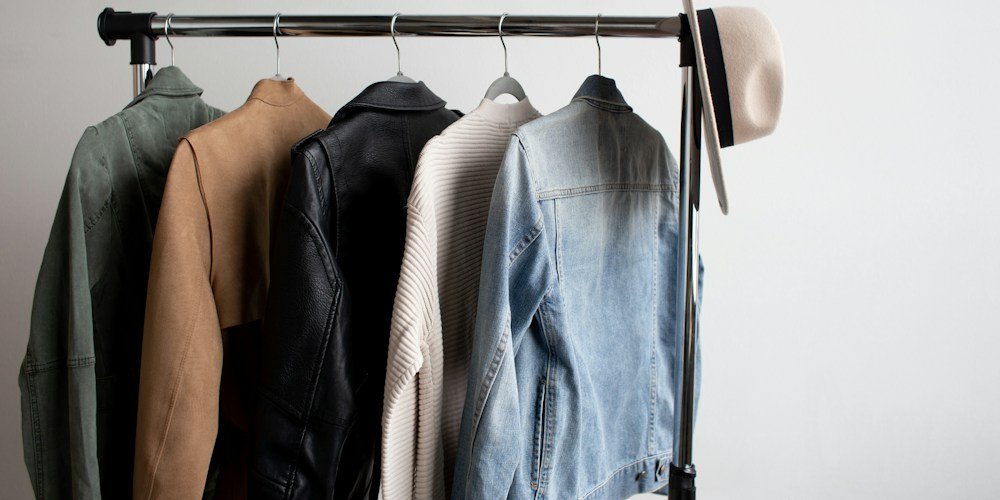
Seven easy outfits from a small capsule
- Monday, casual work: button-up top, dark trousers, light jacket and comfortable shoes.
- Tuesday, errands: base tee, jeans, cardigan and walking shoes.
- Wednesday, cool commute: long-sleeve top, trousers, structured outer layer and scarf.
- Thursday, warm afternoon: lightweight top, jeans and a removable overshirt.
- Friday, dinner out: dressier top, your best-fitting bottom and one accessory you like.
- Saturday, outdoors: comfortable base, flexible mid-layer, weather-appropriate jacket and practical shoes.
- Sunday, relaxed: soft knit, casual bottom and the same walking shoes used earlier in the week.
These are formulas, not a demand to dress the same way. Swap trousers for a skirt, use a dress with a cardigan, or change the shoes if that suits your life. The useful part is that a few pieces perform multiple jobs.
A 20-minute outfit test before you shop
Lay out five days of outfits using your existing clothes. Photograph each one, including shoes and outerwear. If an outfit feels incomplete, write the exact missing function: “light rain layer for my commute” is more useful than “need fall clothes.”
Next, note the items appearing in at least three outfits. Those are your hardworking pieces and deserve proper care. Items appearing only once may still be valuable for an event, but should not dominate the budget. Finally, try on the outfits rather than relying only on flat-lay combinations; fit often changes the decision.
How to shop without overbuying
Set a budget and rank actual gaps. A replacement for worn everyday shoes will usually have more practical value than a fourth jacket. If you are considering a trend, try it first with an accessory or a secondhand item and see whether you still enjoy it after several wears.
Compare cost per likely wear as a planning aid: price divided by the number of times you realistically expect to use the item. This is an estimate, not a reason to buy expensive clothes automatically. A lower-priced item you wear and care for can be more useful than a costly piece that sits unworn.
Check fabric composition, construction, return policies and cleaning instructions. The U.S. Federal Trade Commission notes that covered apparel must carry care instructions; read them before buying, especially if you want a wardrobe that is easy to maintain. A delicate item with expensive cleaning can change the true cost of ownership.
What about fall 2026 trends?
Recent fall fashion coverage highlights styling through layers, texture and accessories. That can be a useful source of inspiration, but it does not mean every reader needs a runway look. Try a fresh combination of an existing knit, jacket and accessory first. A trend is most valuable to your wardrobe when it supports pieces you already enjoy.
If you like bold color, make it one deliberate accent. If you prefer simple outfits, stay with that. A capsule wardrobe can be expressive: repeating clothes does not require repeating the exact same look.
Care and seasonal storage
Before the season begins, inspect hems, buttons, zippers and shoe soles. Small repairs can return a favorite garment to rotation without another purchase. Clean garments according to their labels; different fibers and finishes need different care.
Keep frequently used pieces visible and store off-season items clean and dry. A small, orderly section of the closet makes it easier to see outfit options. At the end of fall, write down which items did real work and which were never worn; that note makes next year’s edit faster.
Frequently asked questions
How many items should be in a fall capsule wardrobe?
There is no fixed number. The right count depends on laundry frequency, work clothes, climate and personal preference. Start with enough tops, bottoms and layers to cover an ordinary week, then adjust based on what you actually wear.
Do I need to buy a new capsule every year?
No. Reuse, repair and recombine what you own. A seasonal capsule can be a way of selecting from your closet rather than a shopping project.
Can a capsule wardrobe include prints and bright colors?
Yes. Keep patterns and colors that work with several of your existing pieces. A capsule is about useful combinations, not a rule that everything must be neutral.
What is the best first purchase if my wardrobe has a gap?
Choose the item that solves your most frequent real problem. That might be comfortable shoes, a layer for cool mornings or a bottom that fits well. Test several outfits before spending.
Does this list work for men and women?
The planning method works for anyone. Swap the suggested garment types for the clothes you wear, and build around your climate, routine, fit and preferences.
Final checklist
Audit what you own, choose a few compatible colors, build outfits for your real week and add weather-appropriate layers. Test five complete outfits before buying anything. The most effective fall capsule wardrobe is the one you can wear comfortably, maintain easily and adapt as temperatures change.
Sources: FTC clothing care label guidance; National Weather Service cold-weather layering guidance. See also The Modern Side’s 2026 jewelry trends guide for accessory inspiration.
Other Articles

How to Use ChatGPT Projects to Organize Work: A Practical Guide
Restaurant Labor Cost Percentage: Formula, Examples and Ways to Control It





[…] Related reading: Fall capsule wardrobe checklist. […]